
Executive Oversight
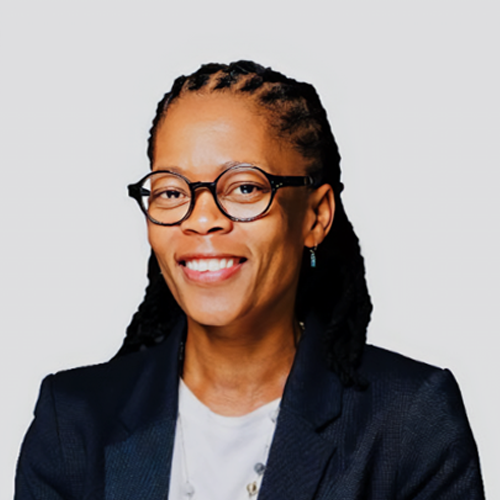
Prof. Sarah Mosoetsa
Chief Executive Officer (CEO)
Prof. Sarah Mosoetsa
Chief Executive Officer (CEO)

Prof. Mosoetsa is the former CEO of the National Institute for the Humanities and Social Sciences (NIHSS), a position that she vacated on 31 January 2023 to take up the position of CEO at the HSRC. She was instrumental in establishing and setting up the NIHSS in 2013 and held the position of CEO at the Institute from 2014 to 2023. She is the chairperson of the South African BRICS Think Tank (SABTT) and a member of the BRICS Think Tank Council (BTCC).
Prof. Mosoetsa holds a Doctorate in Sociology from the University of the Witwatersrand (Wits). She was appointed an associate Professor of Sociology at the same University, and is the author of several publications, including, amongst others, Eating from One Pot: The dynamics of survival in poor South African households (Wits Press) and co-editor of Labour in the Global South: Challenges and alternatives for workers (ILO), and co-editor of Precarious Labor in Global Perspective (Cambridge University Press). She has worked for various organisations, including the Society, Work and Politics Institute (SWOP), the HSRC, and the Development Bank of Southern Africa (DBSA). Prof. Mosoetsa sits on various Boards and Councils, inter alia, the Human Resource Development Council of South Africa (HRDC), the Board of Governors for Mapungubwe Institute for Strategic Reflection (MISTRA), the University of Venda Council, and the Advisory Board for the Southern Centre for Inequality Studies at Wits University.
Prof. Narnia Bohler
Divisional Executive
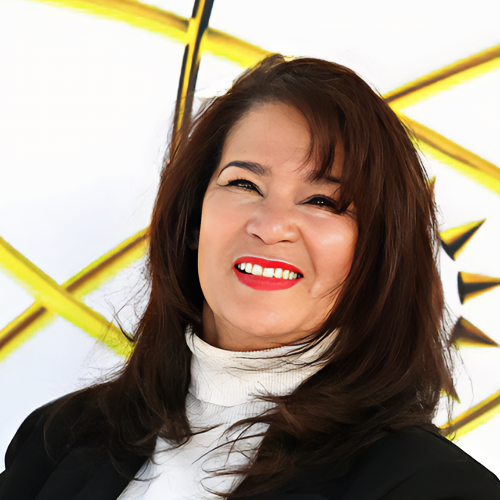
Prof. Narnia Bohler
Divisional Executive
Professor Narnia Bohler-Muller is a divisional executive in the HSRC’s Developmental, Capable and Ethical State research division and acting Group Executive: Shared Services (since April 2021). She holds a Doctor of Laws (LLD) from the University of Pretoria and specialises in participatory democracy and social justice as well as gender equality and the fulfilment of socioeconomic rights.
Bohler-Muller was formerly a professor at Nelson Mandela University (then known as Nelson Mandela Metropolitan University) before she joined the Africa Institute of South Africa in 2011 as a research director. In 2012, she became the deputy executive director of the HSRC’s former Democracy, Governance and Service Delivery research division. Bohler-Muller was an adjunct professor of law, University of Fort Hare (2015-2020) and is currently a research associate with the Centre for Gender and Africa Studies, University of Free State. At the HSRC, she has led numerous large projects for the Department of Justice and Constitutional Development, the Department of Monitoring, Planning and Evaluation in the Presidency, the European Union Commission in South Africa, and the UK Commonwealth and Foreign Office. Bohler-Muller has also led a collaboration with the University of Johannesburg on the COVID-19 democracy survey, with five rounds of the survey conducted from April 2020 to November 2021. Before joining the HSRC, Bohler-Muller spent sixteen years as an academic, during which time she taught numerous courses in law and legal philosophy, beginning her career at the Port Elizabeth campus of Vista University. During the past decade, she has mostly conducted research in the area of human rights and social justice within the context of the COVID-19 pandemic as well as gender equality and socio-economic rights.
Bohler-Muller has published 49 scientific articles in local and international peer-reviewed academic journals, 6 books, 15 book chapters and 30 research reports. She has also presented more than 100 papers at local and international conferences, many of them as an invited keynote speaker. She is on the editorial board of one national and two international accredited journals, regularly conducts peer reviews for journals and writes book reviews. She is often called upon to assist with the National Research Foundation’s researcher ratings. Bohler-Muller has officially represented South Africa at international forums, including BRICS (Brazil, Russia, India, China, and South Africa economies), IBSA (India Brazil and South Africa dialogue), the W20 (Women20) and IORA (the Indian Ocean Rim Association. She has completed visiting research fellowships at Birkbeck University (London), Griffith University (Brisbane) and the BRICS Research Centre (Rio de Janeiro).
Prof. Anicia Peters
NCRST (CEO)
Prof. Anicia Peters
NCRST (CEO)

Prof. Anicia Peters is the CEO of the National Commission of Research, Science and Technology (NCRST) and serves on the 4IR Working Group of the Africa Union’s Africa Scientific, Research and Innovation Council (ASRIC). She also serves on the Association of Computing Machinery (ACM) 4.0/4.1 Presidential Task Force on Regional Offices and serves on the EVE Artificial Intelligence International Advisory Board for Swansea University. She was also the Chairperson of the Namibia Presidential Task Force on the Fourth Industrial Revolution (2021-2022) established by the late President Dr Hage Geingob of Namibia. In 2021, she served on Namibia’s inaugural green hydrogen technical committee under the Office of the President in Namibia in 2021-2022. Her passion for research excellence across Africa led her to establish the successful Africa Human Computer Interaction Conference series (AfriCHI) a decade ago. Prof Peters has an excellent research record, has successfully supervised Masters and PhD students and is currently actively supervising PhD research.
Prof. Peters previously held the position of Pro-Vice Chancellor for Research, Innovation and Development at the University of Namibia (UNAM) up to 2023 where she had co-established the Namibia Green Hydrogen Research Institute at UNAM. Prior to that, she served as a Faculty Dean for Computing and Informatics at the Namibia University of Science and Technology where she co-founded the Namibia-India Center of Excellence in Information Technology.
Her PhD and MSc in Human Computer Interaction (HCI) were completed at Iowa State University, while her two undergraduate degrees are from the Namibia University of Science and Technology. She also completed a Post-Doc at Oregon State University and worked in Silicon Valley in the United States.
She has over 30 years of academic, industry, managerial and directorship experience in Namibia and internationally which includes developing large scale government systems in Namibia, industry experience in Silicon Valley and Namibia, and several years in academia with visiting professorships in different countries.
She is passionate about Human Computer Interaction as well as human-centered and responsible Artificial Intelligence and received multiple awards and accolades for her work and research in various countries which includes among others Boeing, Google, awards India and Poland, several awards from different African institutions, a Namibia Business Hall of Fame Award and a 2025 Special Recognition Award from ACM SIGCHI.
Scientific Committee
A distinguished panel of leading experts and researchers is responsible for ensuring the scientific integrity and quality of the conference programme. The committee oversees the peer-review process and shapes the final academic content.
Prof. Charles Hongoro
Senior Research Director
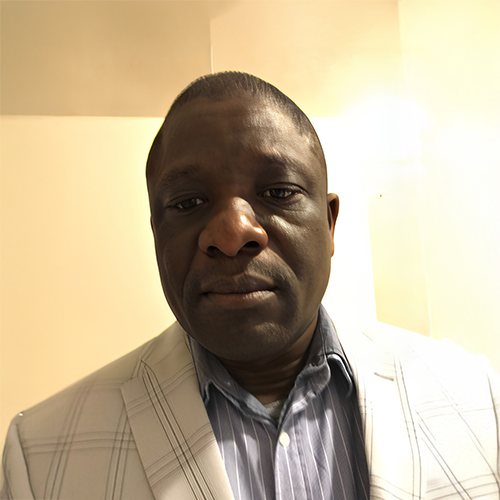
Prof. Charles Hongoro
Senior Research Director
Professor Charles Hongoro is a Senior Research Director at the Human Sciences Research Council and an extraordinary professor of health economics, systems and policy at the School of Public Health, University of Pretoria. His research interests include sustainable human security, climate change, public health economics, policy research, science translation, and impact evaluations.
Dr. Wilfred Lunga
Chief Research Specialist
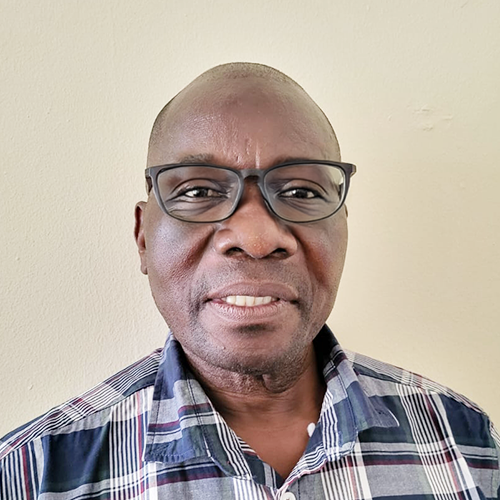
Dr. Wilfred Lunga
Chief Research Specialist
Dr Wilfred Lunga is a Chief Research Specialist at the Human Sciences Research Council. He holds a PhD in development and management with disaster risk reduction, a Master of Science in development studies, a Master of Business Administration, a Master of Education in science and mathematics education, a diploma in development and disaster management, and a licentiate degree in geography. His research focuses on disaster risk, climate change, indigenous knowledge, and rural development. With over twenty years’ experience across African countries, he has worked with agencies like Oxfam, UNDP, and USAID on disaster management and community resilience projects.
Dr. Francis Muromo
Research Fellow
Dr. Francis Muromo
Research Fellow

Dr Francis Muromo holds a PhD in Rural Resource Management from the University of KwaZulu Natal, an MPhil in African Studies from the University of Cape Town an MSc in Rural and Urban, Postgraduate Diploma in Project Planning and Management, and Bachelor of Education Degree in Geography from the University of Zimbabwe. He lectured at the University of Zimbabwe from 2008 to 2013. Currently he is a Research Fellow with the Tugwi Mukosi Multidisciplinary Research Institute of the Midlands State University in Zimbabwe Dr Muromo successfully co-hosted the 1st Climate Change and Futures Conference in Victoria Falls in Zimbabwe in 2022.
Dr. Borel-Saladin
Senior Research Specialist

Dr. Borel-Saladin
Senior Research Specialist
Dr Borel-Saladin rejoined the HSRC in December 2021 as a Senior Research Specialist in the Centre for Science, Technology and Innovation Indicators (CeSTII). Current research interests include R&D and innovation, in particular, their role in climate change mitigation and adaptation technologies. Over the past 15 years, she has conducted research in a variety of fields ranging from resilient cities and the green economy to urban planning and housing policy in South Africa and across the continent. Other areas of interest include local labour market dynamics and urban geography.
Dr. Zukiswa Roboji
Senior Lecturer
Dr. Zukiswa Roboji
Senior Lecturer
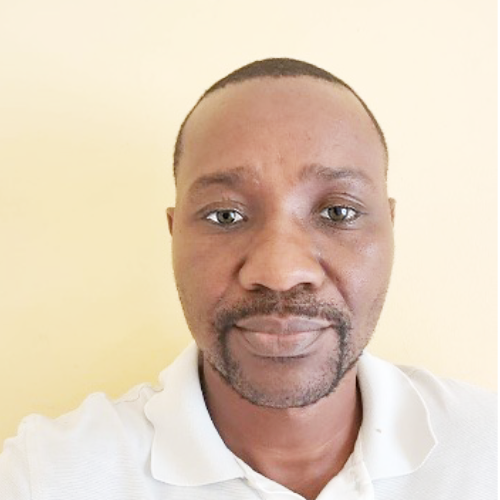
Dr. Zukiswa Roboji -PhD in Development and Management from North- West University in 2019. She currently holds the position of Senior Lecturer in the Department of Management and Governance at Walter Sisulu University, Butterworth Campus. In her role, she is responsible for the instruction of undergraduate students and actively participates in various university research committees. Dr. Roboji enhances the academic landscape by meticulously reviewing scholarly articles, thereby contributing to the discourse within a multidisciplinary framework. As a devoted academic professional, she recognises the importance of continuous learning and consistently seeks collaborative opportunities to refine her scholarly writing skills. Her research interests include Digitalisation, Policy Innovation, Monitoring and Evaluation and the BRICS Agenda. “Behind every successful woman in academia lies a story of resilience, determination, and unwavering commitment to her passion.
Dr. Mkhokheli Sithole
Director of the Institute

Dr. Mkhokheli Sithole
Director of the Institute
Dr Mkhokheli Sithole, Director of the Institute of Development Science at NUST, Zimbabwe, specializes in climate change adaptation, natural resource management, nature-based solutions, and disaster risk management research. He has over four years’ experience in a USAID-funded resilience programme and strong expertise in programme design, monitoring and evaluation, resource mobilization, and strategic partnerships with governments, international agencies, civil society, and community-based organizations. Known for setting ambitious yet achievable goals, he drives impactful results, mitigates risks, and develops innovative solutions. He values continuous learning, champions change, manages multiple priorities, and leverages extensive networks to navigate complex political landscapes and foster collaboration.
Dr. Vuyo Mjimba
Chief Research Specialist

Dr. Vuyo Mjimba
Chief Research Specialist
Dr. Vuyo Mjimba is a Development Policy Researcher And Strategist with over 20 years of experience in applied research, evidence-based policy evaluation, and multidisciplinary programme leadership. He is currently Chief Research Specialist at the Africa Institute of South Africa (AISA), a division of the Human Sciences Research Council (HSRC), where he leads research on sustainable development, industrial policy, public health systems, and innovation in Africa. He holds a PhD in Development Policy and Practice and brings a unique interdisciplinary perspective drawn from earlier qualifications in biotechnology and biochemistry. His research integrates economic development, climate policy, regional integration, and innovation systems, with a strong focus on translating evidence into policy impact.
Dr. Dane Isaacs
Senior Research Specialist
Dr. Dane Isaacs
Senior Research Specialist
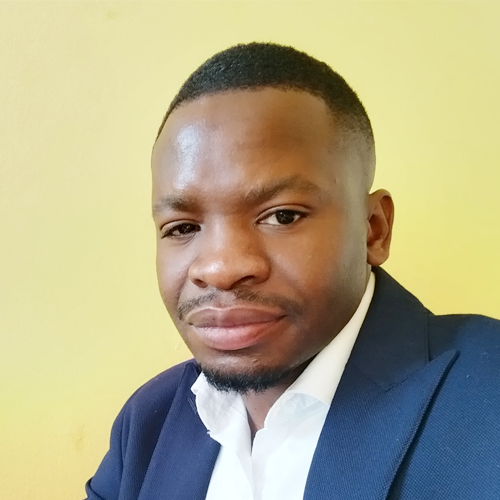
Dr Dane Isaacs is a Senior Research Specialist in the Developmental, Capable and Ethical State Division at the Human Sciences Research Council of South Africa. He holds a Masters and PhD in Psychology from the University of Cape Town and Stellenbosch University, respectively. His research interests include critical disability studies, specifically in the context of people in South Africa who stutter. He also has an interest in the study of masculinities, particularly within the South African context, men’s perpetration of intimate partner violence against women, and mental health.
Caiphus Baloyi
PhD Candidate
Caiphus Baloyi
PhD Candidate
Caiphus Baloyi is a PhD candidate in Sociology at the University of KwaZulu-Natal and a PhD Research Trainee Intern at the Human Sciences Research Council. His research focuses on climate change, health, and community resilience, with a strong interest in gender, adaptation, and disaster risk reduction. He has co-authored peer-reviewed articles, policy briefs, and national research reports addressing vulnerability, social inclusion, and sustainability. With experience in both qualitative research and fieldwork across South Africa, Caiphus is passionate about advancing equitable, community-driven responses to climate challenges and is committed to shaping policy through evidence-based research and interdisciplinary collaboration.
Dr. Mokhantšo Makoae
Research Director and Co-Convener
Dr. Mokhantšo Makoae
Research Director and Co-Convener
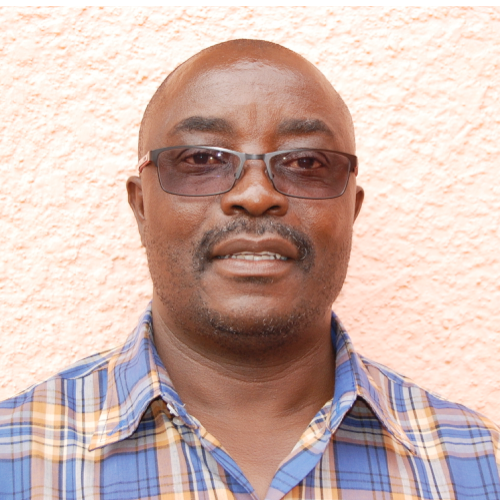
Dr Mokhantšo Makoae is a research director and co-convener of the Climate Change and Environmental Sustainability Hub at the Human Sciences Research Council (HSRC). She is a social scientist with training in sociology and social research methods from the National University of Lesotho, University of Surrey, and University of Cape Town. She has experience and expertise in conducting research that contributes to understanding societal transformation and human rights, as well as improving institutions for wellbeing, focusing on climate change action, health systems, gender equality, vulnerable groups, including children, youth, women, and immigrants, and public policy development. Before joining the HSRC in 2007, she was a senior lecturer in sociology at the National University of Lesotho. She also has experience in research ethics review frameworks and processes, having been a member of the HSRC’s Research Ethics Committee (REC) from 2012 to 2020 and serving as the internal Deputy Chairperson of the REC for two consecutive terms.
Prof. Isaac Mapaure
Environmental Biology and Coordinator
Prof. Isaac Mapaure
Environmental Biology and Coordinator
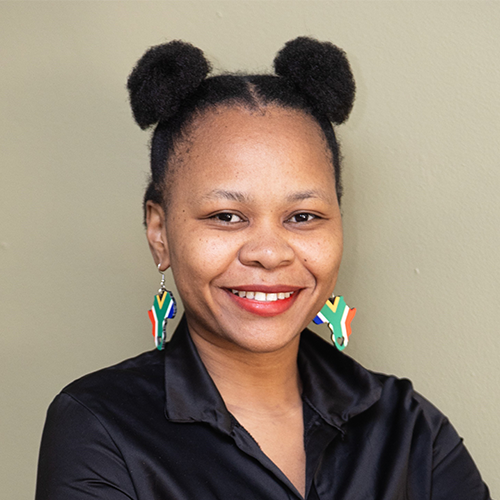
Isaac Mapaure is a full Professor of Environmental Biology and Coordinator of Special Academic Projects in the Office of the Vice Chancellor, International University of Management, Namibia. He has been in Higher Education for over thirty years, and has extensive experience in research, consultancy and community engagement. He has published numerous scholarly outputs. His areas of research interest include rangeland ecology and management, climate change and biodiversity, wildlife ecology and management, and conservation management. Prof Mapaure served in various university management structures and in international research management bodies. He is a member of several Professional bodies.
ORCID: https://orcid.org/0000-0002-6160-5068
- Email:i.mapaure@ium.edu.na
Dr Nosisa Zaca
Research Specialist
Dr Nosisa Zaca
Research Specialist

Dr. Nosisa Zaca is a Research Specialist at the Human Sciences Research Council. She holds a
PhD in Food Security and a Master’s degree in Agricultural Economics from the University of
KwaZulu-Natal, South Africa. She also holds a Leadership in Business Certificate from the
University of Nevada-Reno, United States of America. She is an alumna of the following
programmes: the Mandela Washington Fellowship for Young African Leaders; the Young
African Leaders Initiative Regional Leadership Center Southern Africa; the Africa Young
Graduates and Scholars, and the Youth Climate Champions. Her research interests include food
and nutrition security, climate-smart agriculture, agricultural and rural development,
entrepreneurship development, and behavioural economics.
Dr. Kablan A. Effossou
Environmental Scientist and Researcher

Dr. Kablan A. Effossou
Environmental Scientist and Researcher
Dr. Kablan Antoine Effossou is a distinguished Ivorian–South African environmental scientist and researcher with expertise in environmental management, climate change, waste management, and sustainable development. He holds a PhD in Environmental Sciences from the University of Pretoria (2022), where he also earned an MSc in Environmental Management, focusing on electronic waste (e-waste). His academic foundation includes an Honours degree in Geography and Environmental Studies and a BSc in Geography from the University of Cocody – Abidjan, Côte d’Ivoire. He currently serves as a Research Fellow at the Fort Hare Institute for Social and Economic Research (FHISER) in East London, South Africa
- Email:kablanef@gmail.com
Dr Jane Kaifa
Biology Lecturer
Dr Jane Kaifa
Biology Lecturer
Dr Jane Kaifa is a dedicated Biology lecturer in the Faculty of Education at Midlands State University. She holds a PhD in Biology Education from Bindura University of Science Education and specializes in Biology pedagogy and interdisciplinary research. Her research interests include pedagogy in education, climate change, renewable energy, and health. Dr. Kaifa is passionate about transformative and inclusive education, actively engaging in research, teaching, and community work. She has presented at international conferences, such as SAARMSTE, and serves as an external examiner for the University of Zimbabwe, contributing to academic quality assurance. She also lectures part-time at Bindura University of Science Education, further supporting the growth of science education.
Angela Ntemwa
Post-Award Programme Officer
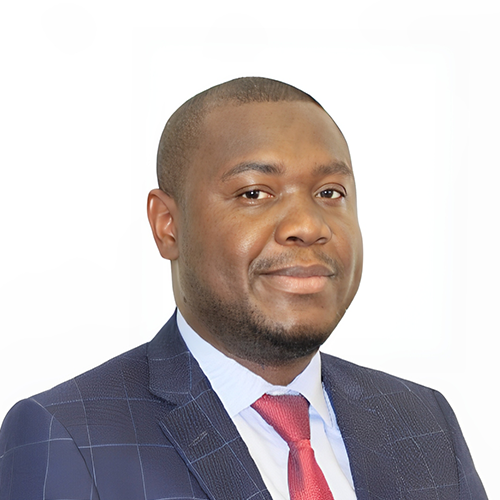
Angela Ntemwa
Post-Award Programme Officer
Angela Ntemwa is the Post-Award Programme Officer in Resource Mobilisation and Grant Management at the National Commission on Research, Science and Technology (NCRST), where she supports the efficient administration of research funding, fosters partnerships, and strengthens stakeholder engagement within Namibia’s science, technology, and innovation ecosystem. She holds a Master of Journalism and Media Technology from the Namibia University of Science and Technology and brings a strong background in public relations and strategic communication to her current role. Angela is also a PhD candidate at the University of Namibia, focusing her research on Evaluating the Impact of Artificial Intelligence on Communication and Gender in Namibia. Her work critically explores how emerging technologies shape communication practices and influence gender dynamics in the modern workplace and society. Combining her expertise in communication, research management, and innovation systems, Angela is deeply committed to advancing inclusive, gender-responsive, and sustainable development through knowledge-driven collaboration.
Dr. Veikko Shalimba
Associate Dean
Dr. Veikko Shalimba
Associate Dean

Associate Dean: School of Engineering
Faculty of Engineering and the Buit Environment
Namibia University of Science and Technology
Dr Veikko Shalimba holds a PhD in Mechanical Engineering, a master’s degree in Mechanical Engineering (Cum Laude) and a bachelor of Mechanical Engineering from the University of J.E. Purkyně in the Czech Republic. Dr Shalimba is the associate Dean of the School of Engineering at Namibia University of Science and Technology (NUST) and is the former Head of the Departement of Mechanical and Marine Engineering. He also have worked for Škoda auto a.s – Volkswagen Group at Research and Development in the Czech Republic. His reserach is muti-and cross-disciplinary, including, Manufacturing and Materials, Nanotechnology – Nanomaterials, Biogas and Biorefinery and Renewable Energy
Dr Gadija Khan
Senior Research Specialist
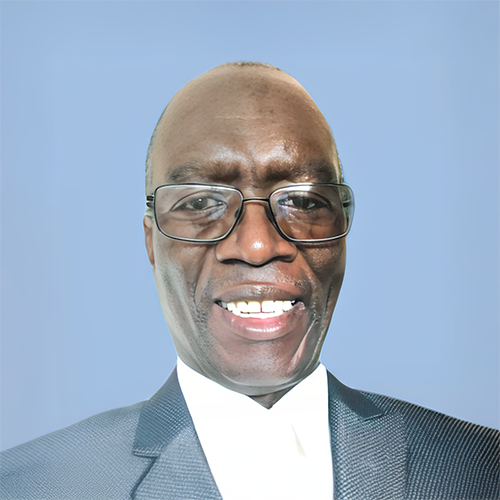
Dr Gadija Khan
Senior Research Specialist
Dr Gadija Khan is a Senior Research Specialist at the Human Sciences Research Council. Her work centres on public health, emphasising mental health, behavioural social interventions, and health systems. Her current research examines intersections between climate change, vulnerability, and human development. Through interdisciplinary collaboration, she advances inclusive, evidence-based policy responses that strengthen resilience and equity in South Africa and beyond.
Dr. Charles Musarurwa
Lecturer in Geography and Environmental Education
Dr. Charles Musarurwa
Lecturer in Geography and Environmental Education

Dr Charles Musarurwa is a lecturer in Geography and Environmental Education in the Department of Science, Technology & Design Education, at Midlands State University in Zimbabwe. He worked as a teacher educator for several years at Hillside Teachers College in Bulawayo, Zimbabwe, before joining the University of Botswana, where he taught and also got a PhD in Geography Education. Dr Musarurwa’s research interests are in the areas of Climate Change, Disaster Risk Reduction (DRR), Environmental Education, Environmental Impact Assessment (EIA), Education for Sustainable Development (ESD), Indigenous Knowledge Systems (IKS), and Geographical Information Systems (GIS). He has also published extensively in his areas of interest.
Dr. Winmore Kusena
Seasoned Environmental Geographer And Academic
Dr. Winmore Kusena
Seasoned Environmental Geographer And Academic
Dr. Winmore Kusena is a Seasoned Environmental Geographer And Academic with over 15 years of experience in climate change, sustainable natural resources management, and environmental impact assessments in Zimbabwe. She holds a Ph.D. in Environmental Geography and has led interdisciplinary research and consultancy projects focused on climate resilience, environmental governance, and sustainable development. Dr. Kusena has worked with a range of institutions, including UNICEF, the Gweru Residents Forum (GRF), the Ministry of Environment, Climate and Wildlife, and the Centre for Natural Resources Governance (CNRG), contributing to evidence-based reports that inform national development priorities and policy frameworks. Her expertise in participatory research, ethical stakeholder engagement, and her ability to translate complex data into accessible, policy-relevant outputs make her well-positioned to contribute to the terminal evaluation of Zimbabwe’s National Development Strategy 1 (NDS1). She brings strong leadership, technical acumen, and a deep understanding of the links between environmental sustainability, inclusive governance, and national development planning, which are key elements for assessing progress towards Vision 2030 and Sustainable Development.
Dr. Deolfa José Moisés
Disaster Risk Reduction & Climate Resilience Specialist
Dr. Deolfa José Moisés
Disaster Risk Reduction & Climate Resilience Specialist
Dr. Deolfa José Moisés is a Disaster Risk Reduction & Climate Resilience Specialist with a PhD in Disaster Management, focusing on Early Warning Systems. With extensive experience across Southern Africa, she has led national policy reforms, multi-hazard risk assessments & climate resilience strategies with UN agencies, governments & regional bodies. Her portfolio spans governance strengthening, inclusive DRR, climate finance & safeguarding frameworks, complemented by peer-reviewed research that bridges science, policy & practice. She is widely recognised for advancing innovative approaches that integrate Indigenous knowledge, community resilience & policy innovation to address climate & disaster risks.
